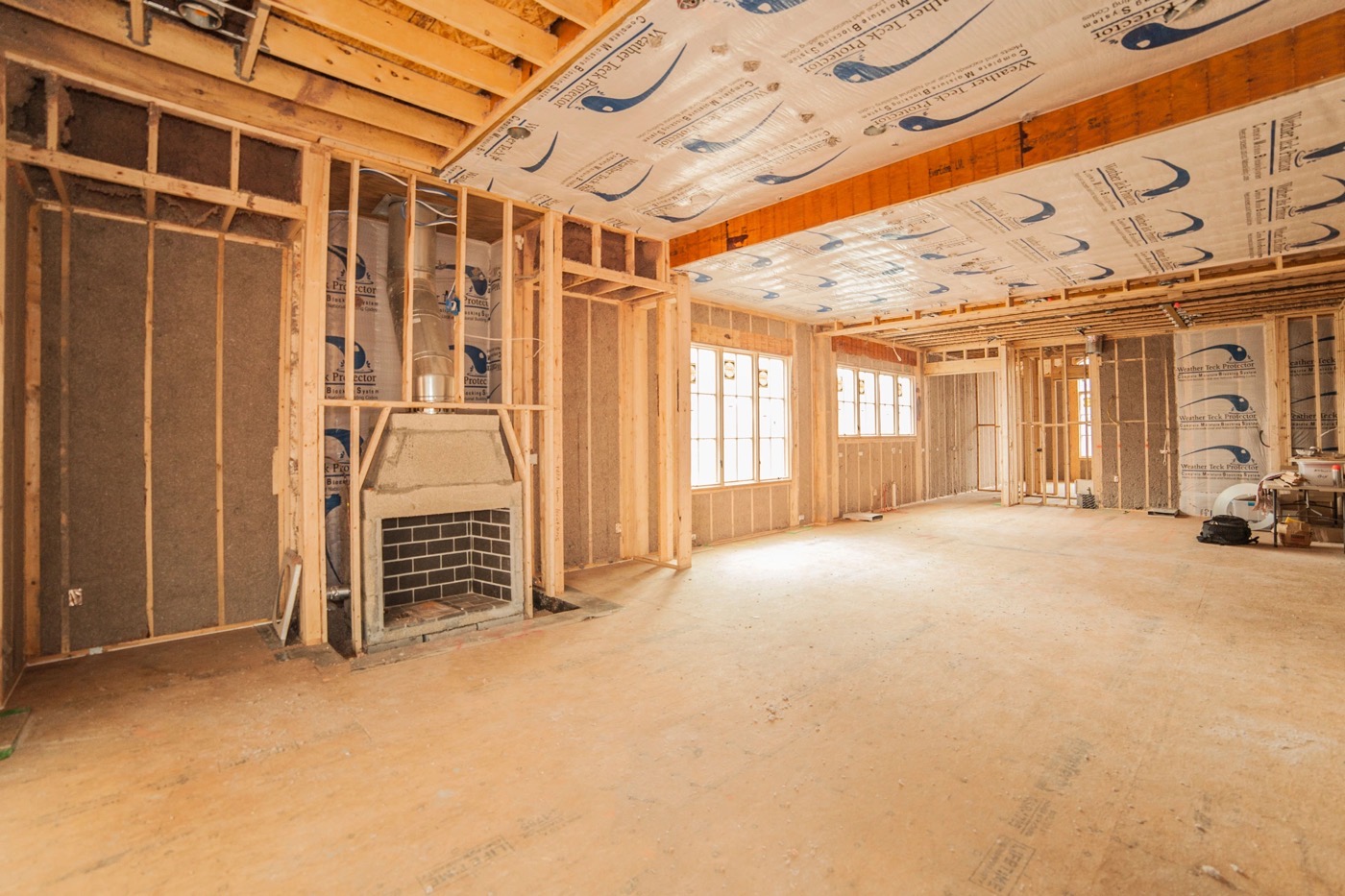
Making a home more efficient is less about buying a single miracle product than improving how the whole building works. Heat, air, moisture and electricity move through connected systems, so an upgrade in one area can change the performance of another. The most reliable plan begins with evidence, addresses comfort and durability problems, and sequences investments so earlier work is not undone later. That approach is useful whether you are renovating an older apartment, updating a suburban house or planning improvements over several years. Use this guide to turn a long wish list into a practical, measurable roadmap.
Planning a new high-performance home? Compare the goals and tradeoffs in our guide to Passive House, net zero and off-grid design.
Begin with a baseline
Collect at least twelve months of electricity, gas or heating-fuel bills. Note floor area, occupancy and unusual periods. A professional energy assessment can identify leakage, missing insulation, inefficient equipment and moisture risks through tools such as blower-door testing and infrared imaging.
1. Stop uncontrolled air leakage
Gaps around attic hatches, plumbing penetrations, chimneys, window frames and service entries can collectively behave like an open window. Sealing them often improves comfort immediately. Coordinate air sealing with planned ventilation so fresh air arrives through a controlled, filtered route.
2. Improve insulation in the right order
Insulation works best when it is continuous, dry and protected from moving air. Attics and roofs are often the most accessible starting point, followed by floors over unconditioned spaces and exposed rim joists.
Walls are more complicated because moisture behavior varies by climate and construction. Before filling a cavity, understand how rain, indoor humidity and vapor move through the assembly.
3. Treat windows as part of a system
New windows can improve comfort, but replacement is not always the first investment. Begin with weatherstripping, repaired hardware, exterior shading and well-fitted curtains. When replacement is justified, compare whole-window performance and demand careful installation connecting the air, water and insulation layers.
4. Right-size heating, cooling and hot water
After envelope improvements, the home may need much less heating and cooling. Oversized equipment cycles frequently and can reduce comfort. Ask for a room-by-room load calculation rather than automatically matching the old system’s capacity.
Efficient heat pumps can provide heating and cooling, while heat-pump water heaters reduce water-heating energy. The best choice depends on climate, prices, space, noise and existing distribution systems.
5. Control ventilation and indoor air quality
Efficiency should never come at the expense of healthy air. Use kitchen exhaust vented outdoors, quiet bathroom fans and appropriate filtration. Very airtight homes benefit from balanced heat- or energy-recovery ventilation.
Choose low-emitting paints, adhesives and finishes, and control moisture at its source. A dry, well-ventilated home is healthier and more durable.
6. Reduce everyday electrical loads
Replace frequently used lamps with LEDs, enable sleep settings and compare annual energy use when appliances reach the end of their lives. Keep controls understandable: a schedule residents can adjust is better than complicated automation that gets disabled.
7. Add renewables after reducing demand
A smaller load needs fewer solar panels and less battery capacity. Assess roof condition, shade, orientation and local rules before installation. Batteries can improve resilience, but they are not a substitute for an efficient envelope.
A sensible three-stage plan
- Low-cost: collect bills, adjust controls, seal obvious leaks, improve shading and maintain equipment.
- Planned upgrades: audit, air-seal, insulate, improve ventilation and replace failing systems with correctly sized equipment.
- Major renovation: redesign the envelope, address thermal bridges, electrify fuel uses and add renewables.
Measure what changed
Compare energy use with the same season in previous years and track comfort, drafts, humidity, noise and air quality. The best retrofit lowers consumption while making the home healthier, quieter and easier to live in.
Build a renovation sequence that avoids rework
Timing matters as much as product selection. Air sealing is easier before new insulation or interior finishes cover the work; electrical upgrades should anticipate future heat pumps, induction cooking or vehicle charging; and window replacement should be coordinated with exterior insulation and flashing. Ask every contractor what later work their installation could obstruct, and photograph concealed conditions before walls are closed.
For a phased renovation, create a one-page sequence with dependencies, target dates and estimated disruption. Prioritize health and safety, moisture management and urgent repairs first, then the envelope, mechanical systems and renewable energy. This order protects the building while steadily reducing its load.
Make comfort part of the performance test
Utility bills matter, but they do not tell the entire story. Track cold surfaces, drafts, summer overheating, humidity, noise and rooms that are difficult to use. A simple monthly log can reveal whether an upgrade is improving daily life or merely shifting energy use from one system to another.
After major work, compare normalized energy use and repeat relevant diagnostic tests. Check that ventilation is balanced, filters are accessible, controls are understandable and equipment is operating at the intended settings. Good documentation turns a renovation into a system that can be maintained rather than a collection of unfamiliar components.