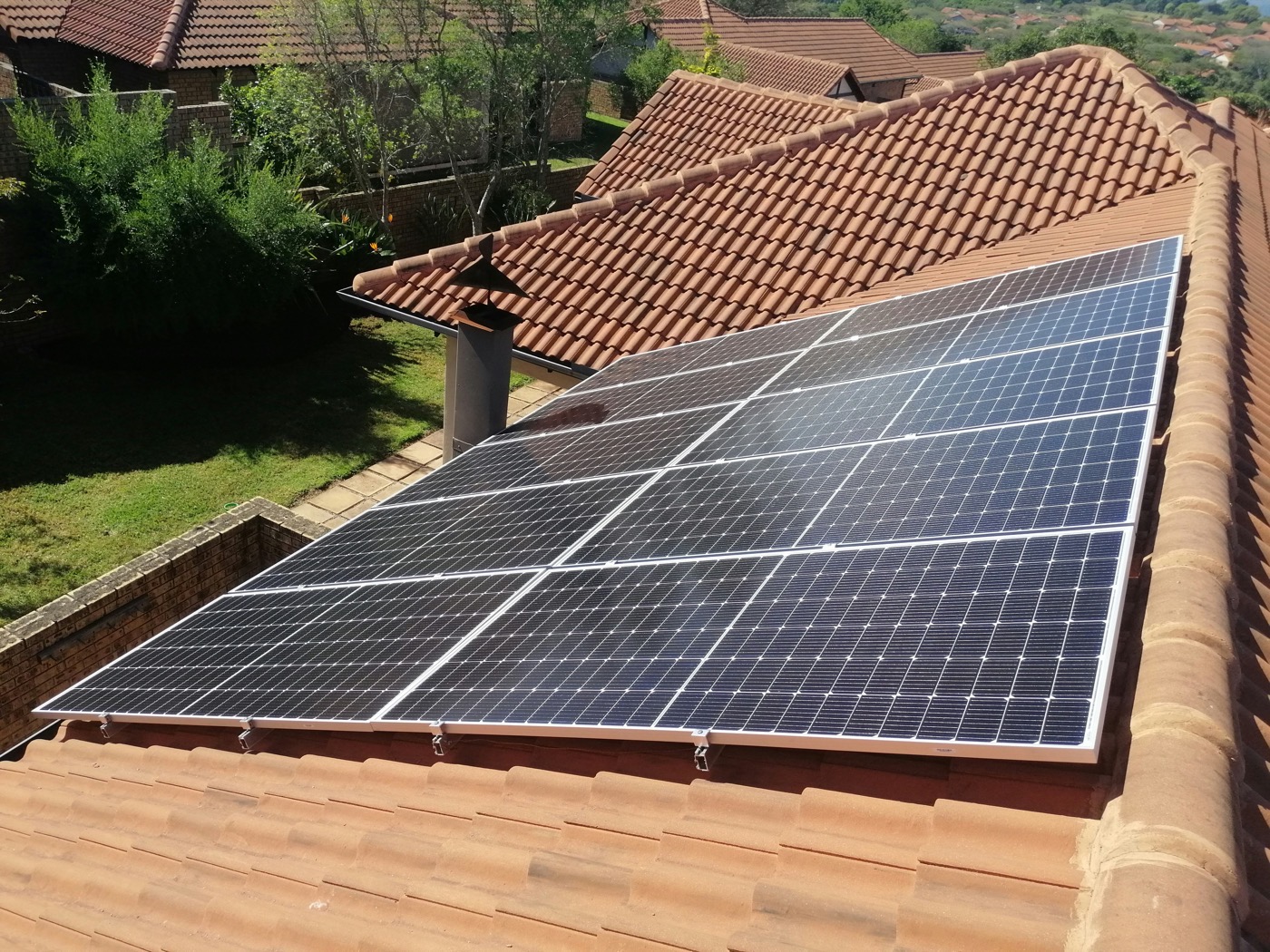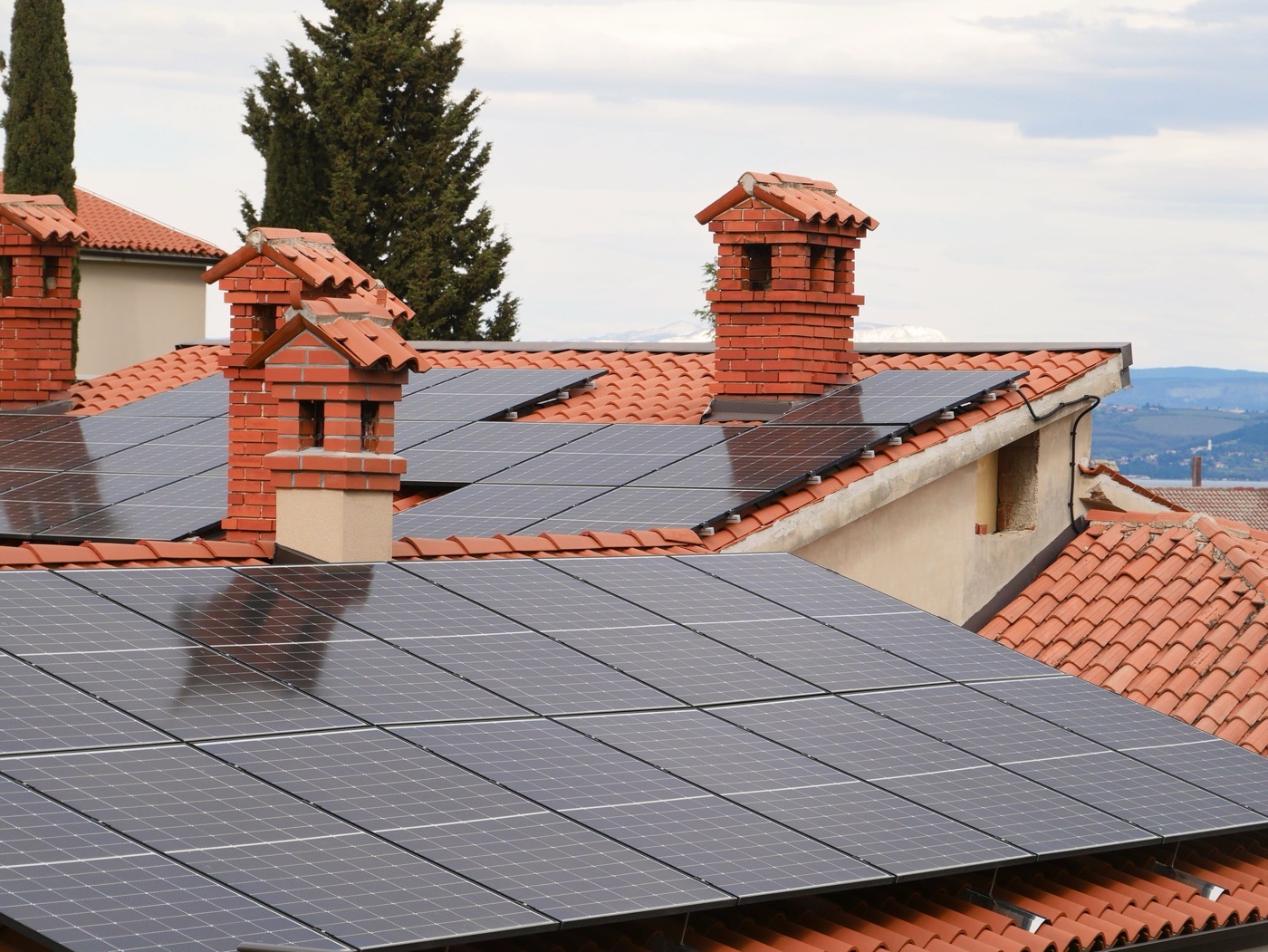
Rooftop solar can turn a well-performing roof into a source of clean electricity, but it is not the first or best investment for every home. Roof condition, shade, local electricity rates, incentives and future household loads all affect the result. Solar also works best after inexpensive efficiency measures have reduced the amount of equipment required. A strong proposal should explain production, costs and assumptions clearly rather than relying on a dramatic payback headline. This guide helps homeowners decide whether to proceed and how to compare offers on equal terms.
Start with efficiency
Review at least twelve months of electricity use and complete obvious efficiency work first. Anticipate future loads from heat pumps, electric water heating, cooking or an EV so the system is neither undersized nor wastefully oversized.
Evaluate the roof
Confirm remaining roof life, orientation, pitch, structural capacity and usable area. Panels should not be installed over roofing likely to need replacement soon. Ask how penetrations will be flashed and warranted.
Measure shade realistically
Trees, chimneys and nearby buildings can reduce production at different times of year. Request a professional shade analysis and review the monthly—not only annual—production estimate.
Understand the utility rules
Net-metering, export compensation, interconnection fees and time-of-use prices vary widely and can change project economics. Verify current terms with the utility or relevant regulator.
Compare proposals by useful metrics
Look at system size in kilowatts, annual production in kilowatt-hours, equipment specifications, cash price, warranties and degradation assumptions. Compare financing separately from the physical system.
Decide whether a battery adds value
A battery may provide outage backup, shift energy away from expensive hours or increase self-consumption where export rates are low. It is not required for grid-connected solar and needs a clearly defined purpose.
Plan for safety and maintenance
Use qualified installers, require permits and understand emergency shutdown. Keep documentation, monitor production and arrange safe access for future roof work.
Questions for every installer
- Who performs the installation and roof work?
- What production is guaranteed?
- Which assumptions drive the savings estimate?
- Who handles service and warranty claims?
- What happens if the roof needs repair?
Keep reading
See our net-zero home roadmap and plan consumption before production.