Living off the grid has become more than an architectural trend—it represents a long-term commitment to independence, sustainability, and thoughtful design. Whether your goal is reducing utility bills, minimizing environmental impact, or creating a home in a remote location, understanding the true cost of an off-grid house is essential before breaking ground.
Unlike conventional homes, an off-grid property requires its own infrastructure. Electricity, water, waste management, heating, and internet often need independent solutions. While this increases the initial investment, many homeowners value the long-term resilience and freedom that comes from generating their own resources.
This guide breaks down the major expenses involved in building an off-grid home, explains where costs can vary, and offers practical ways to balance budget with performance.
What Is an Off-Grid Home?
An off-grid home operates independently from public utilities. Instead of relying on municipal electricity, water, sewer, and sometimes natural gas, the home generates or stores its own essential resources.
Typical systems include:
- Solar panels with battery storage
- Backup generator
- Rainwater collection or private well
- Septic system or composting toilet
- High-performance insulation
- Energy-efficient appliances
Every off-grid project is different, but most combine these elements into a carefully planned ecosystem.
Average Cost of an Off-Grid Home
The overall price depends on location, home size, terrain, and the level of self-sufficiency desired.
| Component | Typical Cost |
|---|---|
| Land | $20,000–$200,000+ |
| Home Construction | $150,000–$600,000+ |
| Solar System + Batteries | $20,000–$70,000 |
| Well | $5,000–$20,000 |
| Septic System | $5,000–$25,000 |
| Backup Generator | $3,000–$12,000 |
| Heating Systems | $3,000–$20,000 |
A modest off-grid cabin may cost under $150,000, while a custom architectural home with premium systems can exceed $700,000.
Land Costs
Land is often the single largest variable.
Factors affecting price include:
- Geographic location
- Road access
- Soil conditions
- Building restrictions
- Existing utilities
- Topography
Remote land may be inexpensive but often requires significant site preparation.
Hidden expenses may include:
- Driveway construction
- Tree clearing
- Excavation
- Foundation work
Solar Power System Costs
Electricity is the heart of an off-grid home.
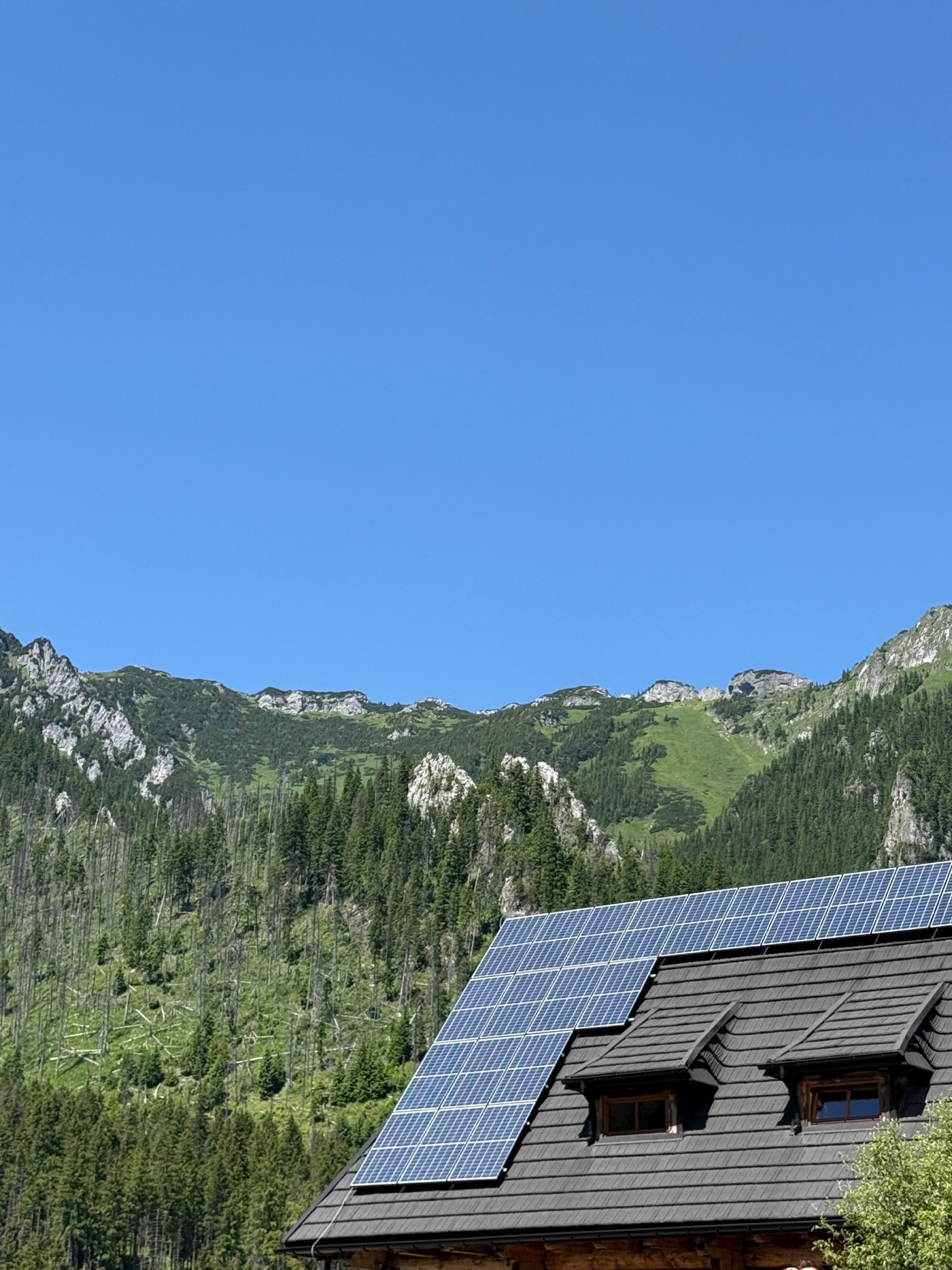
A complete solar installation generally includes:
Solar Panels
Panels convert sunlight into electricity.
Typical cost:
$8,000–$30,000
Battery Storage
Batteries store electricity for nighttime and cloudy weather.
Typical cost:
$10,000–$35,000
Battery capacity is often the most significant factor affecting total system cost.
Inverter and Electrical Equipment
Additional equipment includes:
- Inverters
- Charge controllers
- Electrical panels
- Safety disconnects
Budget approximately:
$3,000–$10,000
Water Supply Costs
Without municipal water, homeowners typically choose one of two options.
Private Well
A drilled well provides year-round water.
Typical cost:
$5,000–$20,000
Depth and geology largely determine drilling expenses.
Rainwater Harvesting
Rainwater systems include:
- Collection surfaces
- Gutters
- Storage tanks
- Filtration
- UV purification
Costs typically range between:
$2,000–$15,000
Many homeowners combine rainwater collection with a well for added reliability.
Wastewater Systems
Every off-grid home needs a waste management solution.
Conventional Septic System
Typical cost:
$5,000–$25,000
Pricing depends on soil conditions and local regulations.
Composting Toilets
Some homeowners choose composting toilets to reduce water use.
Costs generally range from:
$1,000–$5,000
Local building codes should always be checked before installation.
Heating and Cooling
Reducing energy demand lowers the size—and cost—of the electrical system.
Popular heating solutions include:
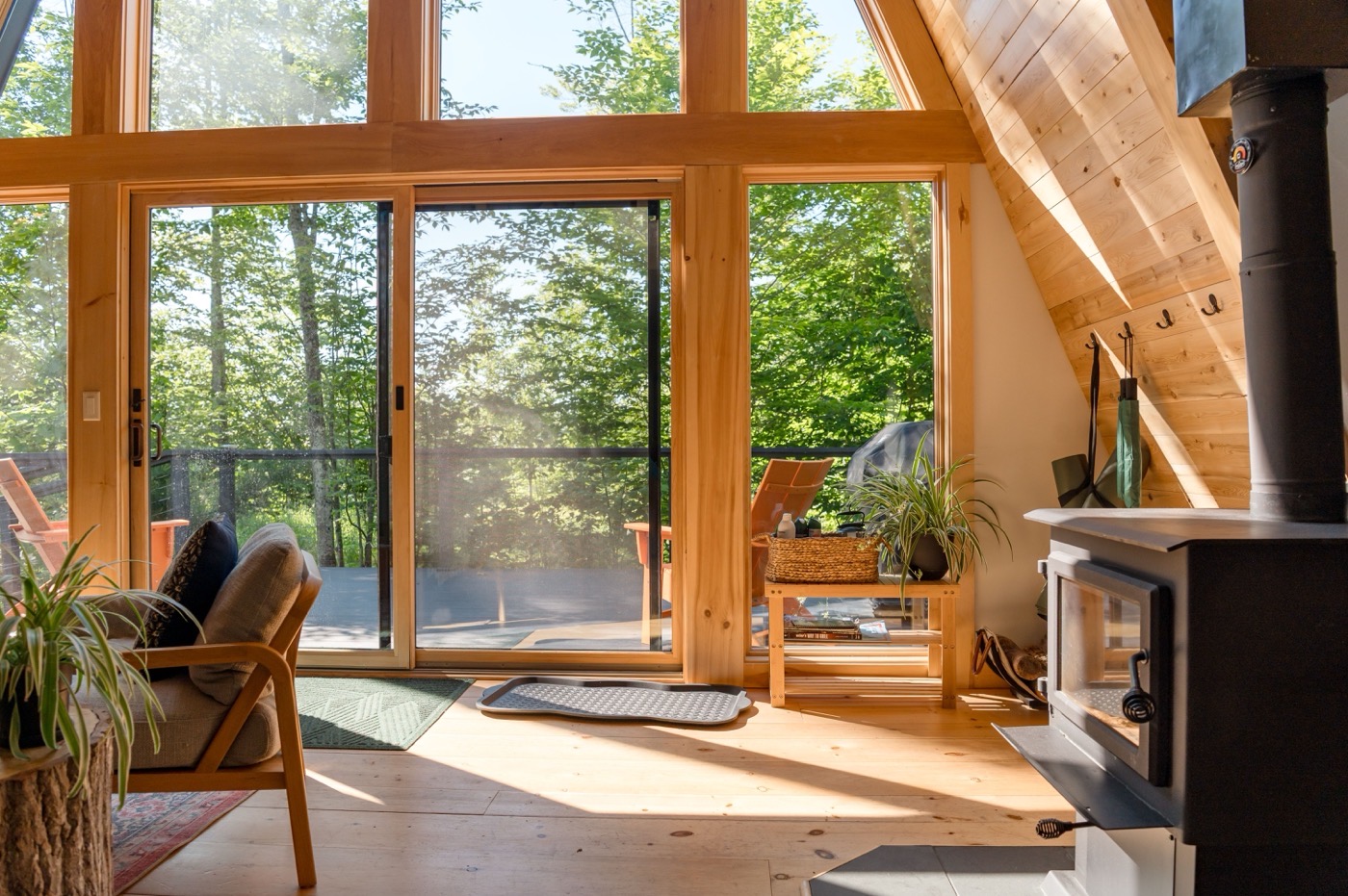
- Wood stoves
- Heat pumps
- Radiant floor heating
- High-efficiency propane systems
Passive design strategies such as south-facing windows, thermal mass, and superior insulation often provide the greatest long-term savings.
Internet and Communications
Modern off-grid living doesn’t necessarily mean disconnecting.
Common options include:
- Satellite internet
- Fixed wireless
- Cellular hotspots
Equipment costs vary depending on location and available providers.
Hidden Costs Many Buyers Overlook
Beyond the major systems, remember to budget for:
- Engineering
- Building permits
- Surveys
- Site preparation
- Heavy equipment
- Utility trenching
- Fire protection requirements
- Insurance
- Maintenance
These expenses can significantly affect the final project budget.
How to Reduce Off-Grid Building Costs
Thoughtful planning often saves more than cutting corners.
Consider:
Build Smaller
A compact home requires:
- Fewer materials
- Smaller solar systems
- Lower heating costs
Prioritize Energy Efficiency
Investing in:
- Better insulation
- Air sealing
- High-performance windows
can reduce long-term energy needs substantially.
Phase the Project
Some homeowners install:
- Larger battery systems later
- Additional solar panels over time
- Expanded water storage in future phases
Building in stages spreads costs without sacrificing long-term goals.
Is Building Off-Grid Worth It?
An off-grid home represents more than a financial investment. It offers greater control over energy use, resilience during utility outages, and the opportunity to design a home around efficiency rather than dependence on public infrastructure.
Although upfront costs are typically higher than a comparable grid-connected house, lower utility expenses, thoughtful resource management, and long-term durability can offset much of that investment over the life of the home.
The right approach depends on your goals. Some homeowners seek complete independence, while others simply want lower energy bills and a smaller environmental footprint. Regardless of the path you choose, careful planning and realistic budgeting are the keys to building an off-grid home that remains comfortable, reliable, and financially sustainable for decades.