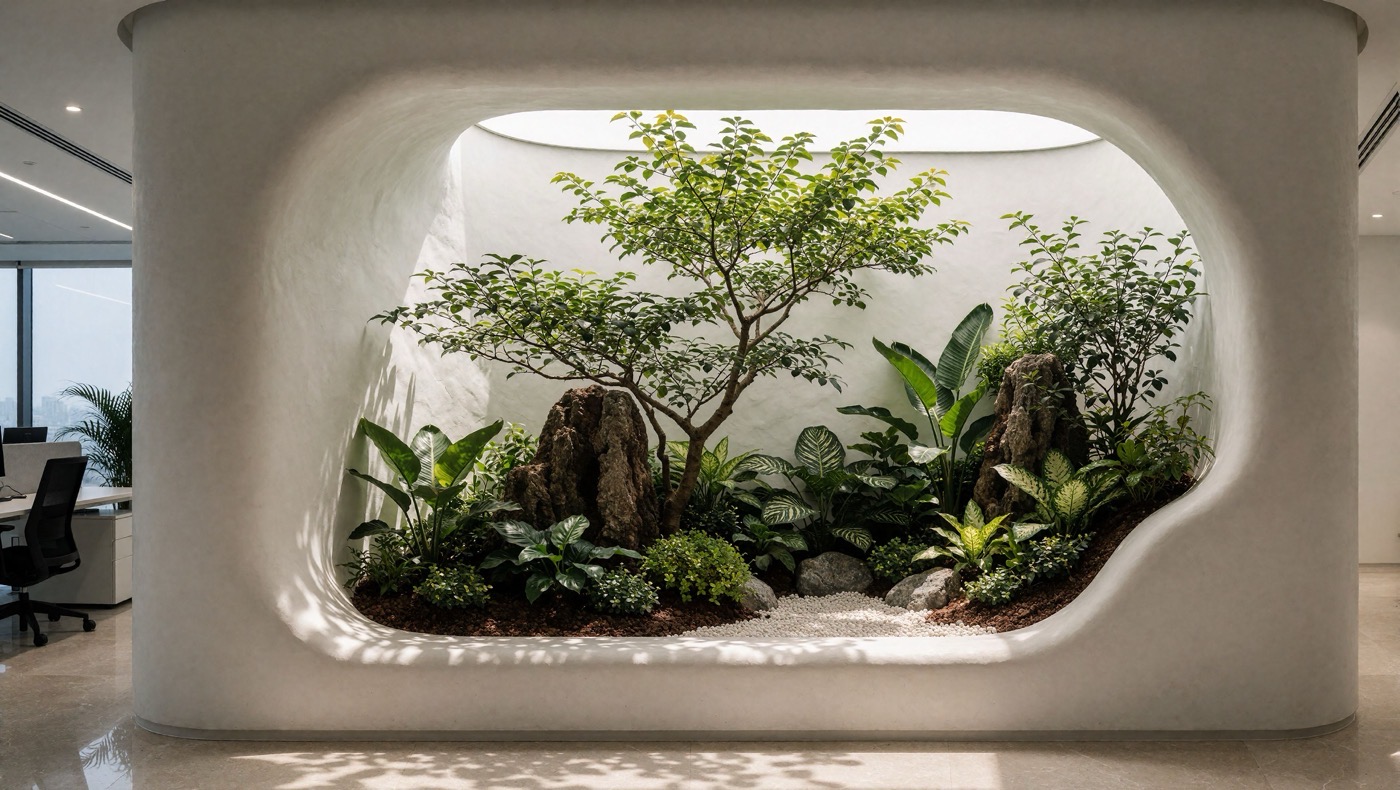
A water-wise garden is not a dry collection of struggling plants; it is a landscape designed so soil, species and irrigation work together. Many gardens lose water through compacted soil, exposed surfaces, poorly grouped plants and sprinklers operating at the wrong time. Correcting those fundamentals can reduce demand while improving plant health and resilience. The design should respond to local climate rather than applying one universal drought-tolerant palette. This guide offers a practical sequence for creating a garden that needs less supplemental water each year.
Start with soil, not irrigation equipment
Observe drainage after rain and test soil texture. Add compost where appropriate, avoid overworking soil and protect structure from compaction. Healthy soil stores water while allowing excess to drain.
Group plants by water need
Place thirsty vegetables and young plants together, separate them from established drought-tolerant areas and keep high-demand planting close to the house where it is easier to monitor.
Choose plants adapted to place
Favor regionally appropriate species suited to the site’s sun, soil and winter conditions. Native plants can support local ecology, but site compatibility matters more than the label alone.
Cover bare soil
Organic mulch moderates temperature and slows evaporation. Keep it away from trunks and building materials, and replenish only as it decomposes rather than creating an excessively deep layer.
Deliver water to the roots
Drip irrigation or soaker lines reduce wind loss and wet foliage less than overhead sprinklers. Inspect emitters, use pressure regulation where required and divide zones by plant need.
Water deeply and verify
Early-morning irrigation generally limits evaporation. Check soil below the surface before watering again; frequent shallow cycles encourage shallow roots. Adjust schedules with weather and season.
Capture water in the landscape
Contour beds, rain gardens and planted swales can slow runoff where soil and setbacks allow. Keep water away from foundations and confirm that overflow has a safe route.
A seasonal garden reset
- Repair leaks and blocked emitters.
- Reduce turf that serves no practical use.
- Add mulch and improve compacted paths.
- Replace poorly adapted plants gradually.
- Record irrigation time and rainfall.
Keep reading
See how to use less water indoors and connect the landscape to a whole-home water strategy.